
The opening of Line 5 Eglinton, also known as the Eglinton Crosstown LRT, represents one of the most significant infrastructure milestones in Toronto’s modern history. While much of the public conversation has focused on delays, cost overruns, and construction disruption, the long-term implications—especially for Scarborough—are far more consequential.
This is not just a transit upgrade. It is a structural shift in how Scarborough connects to the city, how its commercial corridors evolve, and how its real estate market is positioned over the next decade.
A Brief History of the Eglinton Crosstown LRT
The Eglinton Crosstown LRT was first proposed in 2007 under Toronto’s Transit City plan, with the goal of creating a high-capacity east–west rapid transit line across the city. Construction officially began in 2011, and early projections suggested the line would be completed around 2020.
Instead, the project stretched into a nearly 15-year build, ultimately opening under a phased “soft launch” on Sunday, February 8, 2026 .
According to TTC documentation:
The line spans 19 kilometres
It includes 25 stations
It runs from Mount Dennis Station in the west to Kennedy Station in the east
This east–west connectivity is particularly important for Scarborough, where Kennedy Station functions as a major transit hub connecting Line 2 Bloor–Danforth, GO Transit (Stouffville Line), and now Line 5 Eglinton .
Why the Project Was Delayed
While your earlier documents outlined the controversies, the TTC’s own “Now Open” materials clarify that the line opened under phased conditions, without a launch ceremony, reflecting years of unresolved system integration challenges .
The major delay drivers included:
Complex public-private partnership delivery
Legal disputes between builders and Metrolinx
Systems integration and testing failures
Safety and reliability concerns during commissioning
By the time Line 5 opened, the TTC emphasized feedback collection and gradual service stabilization rather than immediate full-scale operation .
What Line 5 Actually Delivers for Scarborough
Stations Serving Scarborough Directly
Scarborough now benefits from multiple Line 5 stations east of Victoria Park, including:
Golden Mile
Birchmount
Ionview
Kennedy Station
These stations place large portions of Scarborough within direct walking or short bus-transfer distance of rapid transit .
Service Frequency and Reliability
According to TTC route information:
Weekday rush-hour service runs approximately every 4 minutes
Off-peak service runs every 6–10 minutes
Weekend service operates approximately every 7–8 minutes
This level of frequency is transformative for Scarborough residents who previously relied on buses stuck in mixed traffic along Eglinton Avenue East.
Economic Impact on Scarborough
1. Reconnecting Scarborough to the City Core
Line 5 significantly reduces east–west travel time between Scarborough and Midtown Toronto. This improves access to:
Employment centres
Educational institutions
Healthcare services
Cultural and commercial hubs
Reduced commute friction expands labour mobility and makes Scarborough more competitive as a residential choice for professionals priced out of downtown and midtown markets.
2. Revitalization of Eglinton Avenue East
Construction devastated parts of Eglinton East’s business ecosystem. However, transit-oriented corridors historically experience post-opening recovery, followed by gradual intensification.
With Line 5 now operational:
Foot traffic increases near stations
Retail visibility improves
Mixed-use redevelopment becomes economically viable
Underutilized commercial parcels attract investor interest
This sets the stage for long-term corridor renewal rather than short-term speculation.
3. Transit-Oriented Development Potential
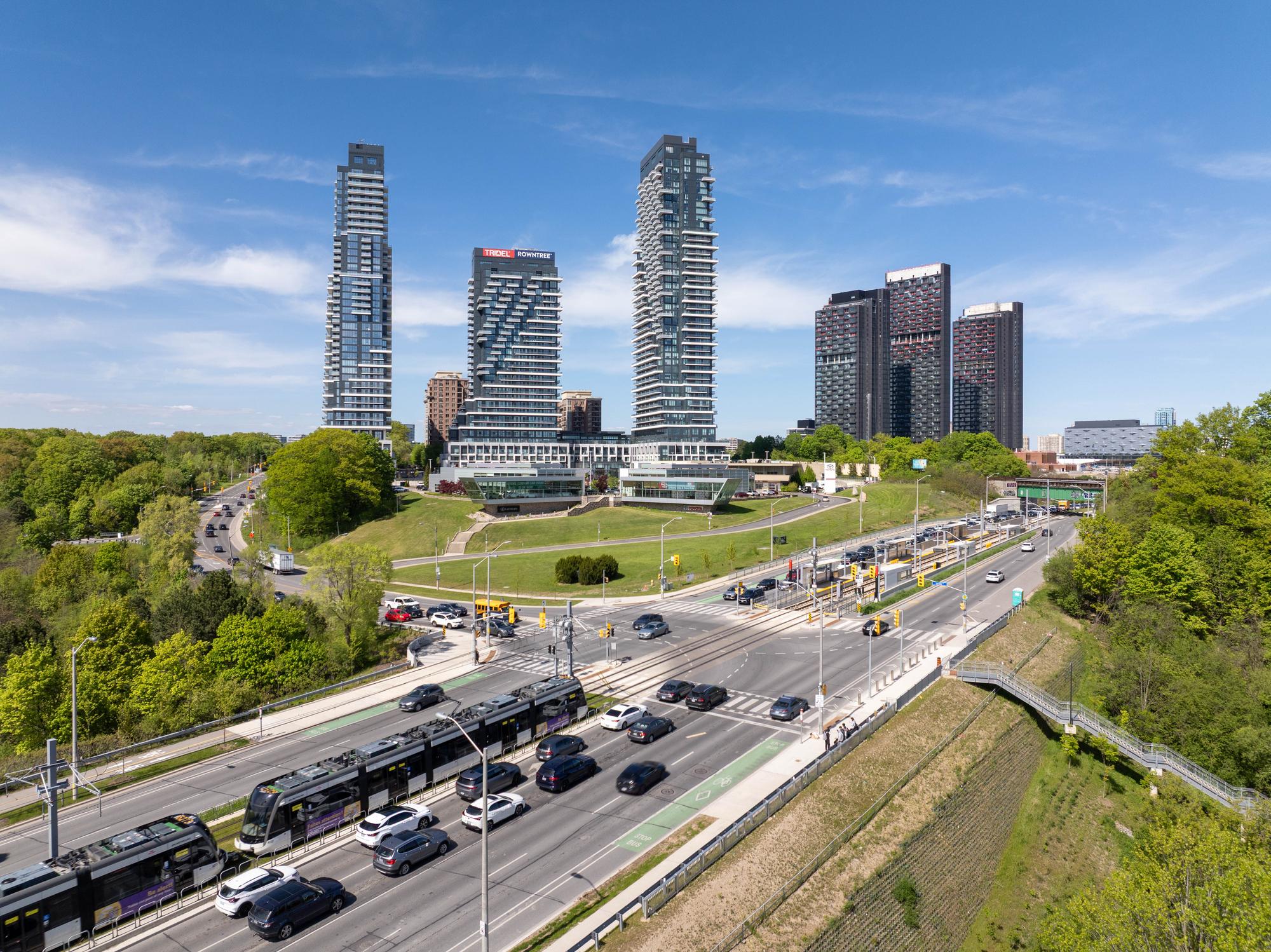
Line 5 stations are now anchors for:
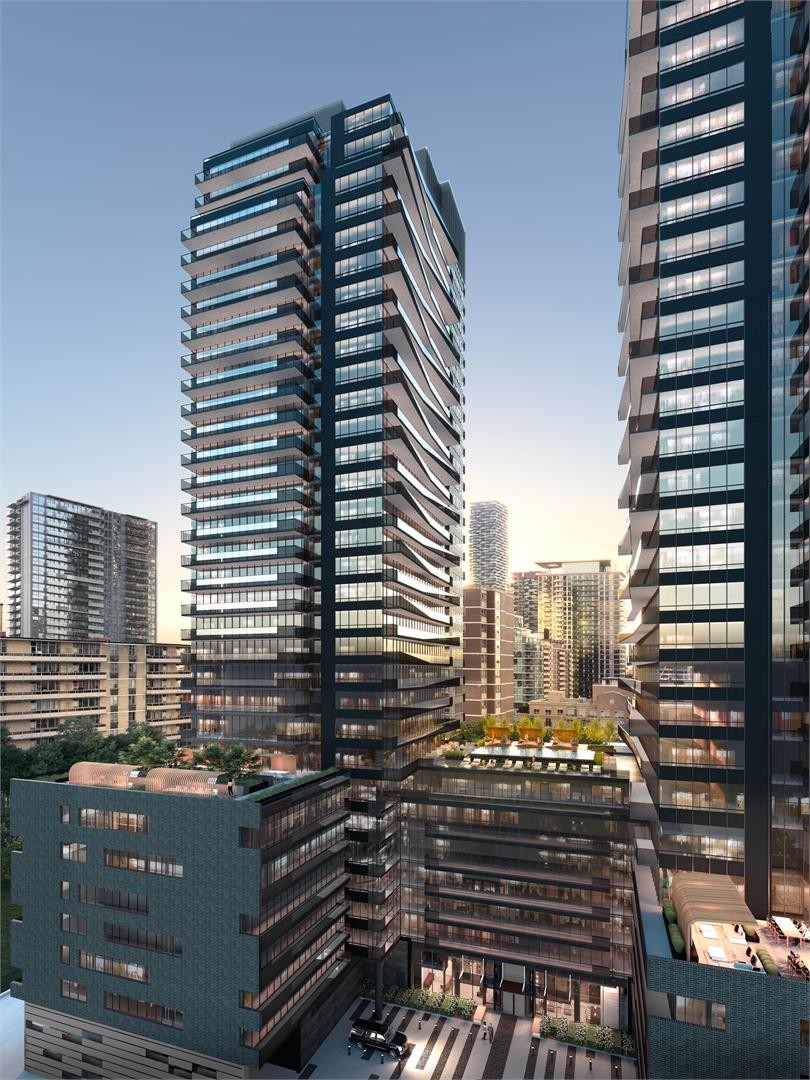
Mid-rise and high-rise residential development
Purpose-built rental projects
Mixed residential-commercial buildings
Scarborough’s relatively lower land costs give it a structural advantage compared to Midtown, where similar transit access already commands a premium.
How Line 5 Will Affect Scarborough Real Estate
1. Residential Prices: Gradual, Durable Growth
Transit access is one of the strongest predictors of long-term real estate value resilience. In Scarborough, the impact of Line 5 is expected to be steady rather than explosive.
Homes and condos near Line 5 stations—particularly around Kennedy, Golden Mile, and Birchmount—are likely to see:
Stronger buyer demand
Improved resale liquidity
Higher rental interest
This positions Scarborough as a value-driven alternative rather than a secondary market.
2. Condo Market Repositioning
Scarborough condos historically traded at a discount due to commute limitations. Line 5 narrows that gap.
As affordability pressures persist across Toronto:
Buyers will increasingly look east
Scarborough condos become more competitive on price-per-square-foot
Rental demand strengthens due to improved transit mobility
This supports both end-users and long-term investors.
3. Long-Term Investment Outlook
Major infrastructure projects do not produce instant price spikes. Instead, they reset the growth trajectory.
Over a 5–10 year horizon, Scarborough neighbourhoods connected to Line 5 are positioned to outperform the borough’s historical averages—especially where zoning, redevelopment, and transit access align.
What Buyers and Sellers Should Do Now
Buyers should:
Prioritize walkability to Line 5 stations
Look beyond today’s prices to long-term accessibility value
Recognize Scarborough’s improving connectivity advantage
Sellers should:
Highlight Line 5 access explicitly in marketing
Reframe Scarborough as “connected” rather than “commute-heavy”
Use transit proximity to justify stronger positioning
Final Thoughts
The Eglinton Crosstown LRT is not just a delayed transit project—it is a foundational investment in Toronto’s future. For Scarborough, it represents long-overdue connectivity, economic renewal potential, and a meaningful shift in real estate dynamics.
The market impact will not be immediate, but it will be lasting. Infrastructure of this scale reshapes cities slowly, then decisively—and Scarborough is now firmly on that path.
Sources (from your uploaded documents)
Infrastructure changes cities slowly — and then all at once.
If you want to understand how Line 5 Eglinton impacts pricing, demand, and future growth in Scarborough, I’m happy to walk you through it.
📞 Let’s talk — no pressure, just clarity.
Sami Chowdhury
Real Estate Broker | Greater Toronto Area
Data-driven insights for smarter buying and selling decisions.
📧 samichy@torontobase.com
🌐 torontobased.com